KEY POINTS
- Many people find themselves stuck in cycles of self-sabotage repeating patterns that undermine their progress and keep them stagnant.
- These destructive patterns are often driven by unconscious beliefs, unresolved fears, and limiting mindsets that fuel behaviors like procrastination, perfectionism, and burnout.
- The key to breaking these cycles is practicing balanced living, by making intentional, sustainable choices that support productivity, well-being, and long-term growth.

We all have patterns: habits, routines, and cycles that shape the course of our lives. Some move us forward, helping us grow and thrive. Others keep us stuck in frustrating loops, wondering why we can’t seem to make lasting changes.
This topic is close to my heart because I’ve lived it.
The first time I noticed one of my own unhealthy patterns was back in college when I tried to lose weight for the first time. It was 2011, and I managed to lose 5kg. My friends noticed, complimented me, and I felt proud of the progress. But as soon as I felt like I had “accomplished” my goal, I relaxed. I stopped exercising, went back to my old eating habits, and yep, you guessed it, I regained the 5kg plus two extra kilos for good measure.
It didn’t stop there. Once I started working after college, I noticed the same cycle creeping into my professional life. I’d procrastinate, telling myself there was plenty of time. Then, a week before the deadline, I’d kick into overdrive, pushing myself way too hard just to get the work done. The quality would suffer, and I’d be left drained and disappointed. It was exhausting, and deep down, I knew I could do better.
Everything began to change when I started learning about balanced living and how to manage myself, particularly during my master’s degree studies in China.
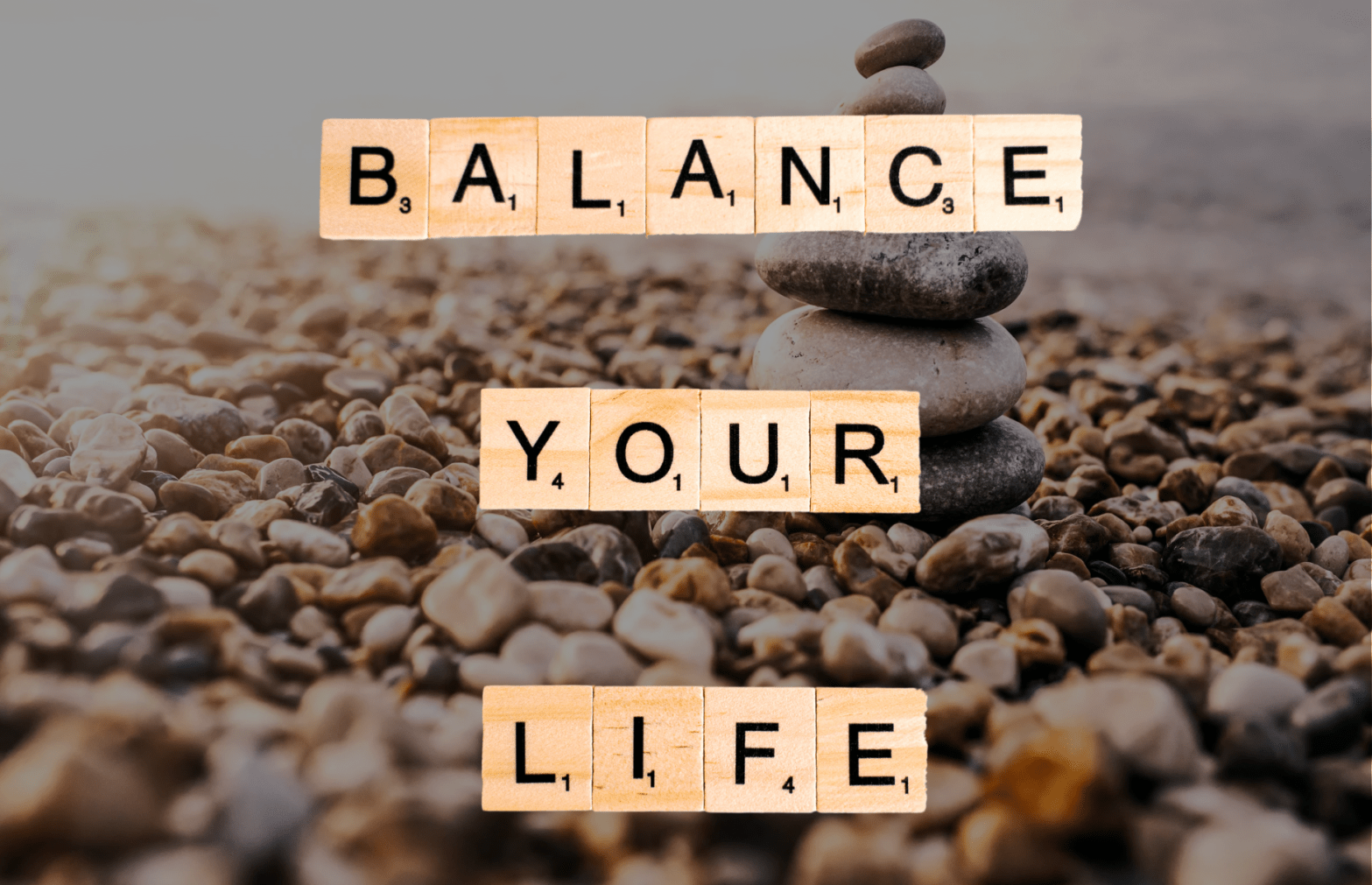
Balanced living involves making intentional choices that help you maintain equilibrium across work, health, relationships, and personal growth. It helps you figure out how to sustain productivity in all areas of your life without burning out. By prioritizing balance and setting clear goals, I’ve been able to create a life that feels sustainable, fulfilling, and aligned with my values. And you can too.
In this article, I’ll share how to identify and break the cycles that sabotage your efforts. We’ll also explore what balanced living really looks like, and how you can start building a life that’s both productive and purposeful.
Step 1: Identifying the Cycle – What are the Patterns Limiting You?
Many of us repeat unhealthy patterns without even realizing it. We chalk it up to being “bad at time management” or “lacking discipline.” But often, it’s not about willpower but the unconscious cycles fueled by limiting beliefs and mindsets operating in the background.
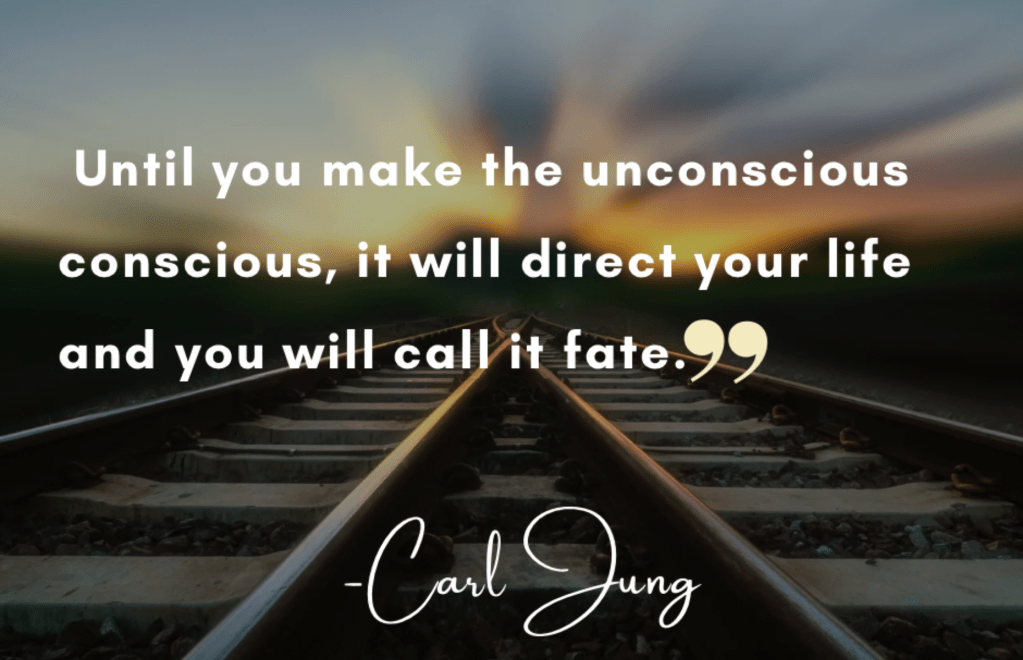
The psychologist Carl Jung said it best: “Until you make the unconscious conscious, it will direct your life and you will call it fate.”
Self-Sabotage, the sneaky culprit!
Self-sabotage is any behavior, thought pattern, or action that undermines your progress and success, often without you realizing it. These patterns tend to stem from deep-seated fears, limiting beliefs, or unresolved emotional wounds.
Here are five common self-sabotage cycles many people experience:
- The Overworking–Burnout Cycle – You push yourself too hard, ignoring rest and self-care. Eventually, you burn out, crash, and need time to recover… only to repeat the cycle.
- The Fear–Procrastination Cycle – Fear of failure (or success), or even overconfidence, causes you to delay action. As deadlines loom, stress rises. You rush to finish or avoid the task altogether, then repeat the pattern.
- The Result–Regression Cycle – You make progress toward a goal, celebrate, and ease up on the discipline that got you there. Soon, you slide backward, losing momentum and undoing your progress.
- The Perfectionism–Paralysis Cycle – You set impossibly high standards. The pressure to be perfect leaves you stuck, unable to start or finish because it’s never “good enough.”
- The Self-Doubt–Aim-Low Cycle – You doubt your abilities, so you set small, safe goals that don’t challenge you. This reinforces the belief that you’re not capable of more, keeping you stuck.
Breaking free from unhealthy cycles and finding balance doesn’t happen overnight. It takes time, trial, and error to find and maintain a flow. I had to adjust my strategies several times to fit my lifestyle and values. And that’s just the thing, breaking free starts with awareness followed by intentional action.
Step 2: Break the Pattern
Research in psychology and behavioral science gives us clear steps to identify and the patterns holding us back.
Here’s a five step process to do that:
1. Track Your Behaviors and Emotions – Behavioral psychology shows that tracking patterns makes them easier to spot.
- Keep a simple journal for 1-2 weeks.
- Note what you do and how you feel throughout the day.
- Look for recurring situations where you get stuck, stressed, or frustrated.
Ask yourself: Do I procrastinate on big tasks until the last minute? Do I reward myself for progress by falling into old habits? Do I shut down when life gets chaotic?
Tracking helps you identify your triggers and how you typically respond.
2. Look for Repeating Loops of Behavior – According to James Clear in Atomic Habits, habits run on a loop: Cue → Routine → Reward.
- Cue (Trigger): An event, feeling, or thought.
- Routine (Behavior): Your habitual reaction.
- Reward (Outcome): A payoff, often short-term relief.
Example: Cue: You feel stressed. → Routine: You scroll on social media for two hours. → Reward: Temporary escape from stress.
But then: You fall behind on work → stress increases → the cycle repeats.
Mapping out your habit loops helps you pinpoint where things go wrong.
3. Identify Underlying Beliefs – Cognitive Behavioral Therapy (CBT) teaches that behaviors are driven by core beliefs whether you’re conscious of them or not.
- Ask yourself: What do I believe about myself in this moment? Am I afraid of failure? Success? Do I feel unworthy of success?
- For example: You procrastinate because you believe, “I can’t do this well enough.” You give up on healthy habits because you think, “I don’t deserve to be healthy.”
Identifying these beliefs gives you the power to challenge and reframe them.
4. Pay Attention to Emotional Triggers – Emotions often initiate destructive cycles. Research shows that emotional regulation is key to breaking them.
- Ask yourself: Do I procrastinate when I’m anxious? Overeat when I’m lonely? Withdraw when I’m criticized?
By identifying your emotional triggers, you create space to pause and choose a different response.
5. Ask for an Outside Perspective – Sometimes, we’re too close to see the pattern clearly. Talk to a trusted friend, mentor, or counselor.
- Ask, “Have you noticed any patterns in how I handle [work, stress, relationships]?”
Outside perspectives can reveal blind spots and help you connect the dots.
Step 3: Find Your Balance
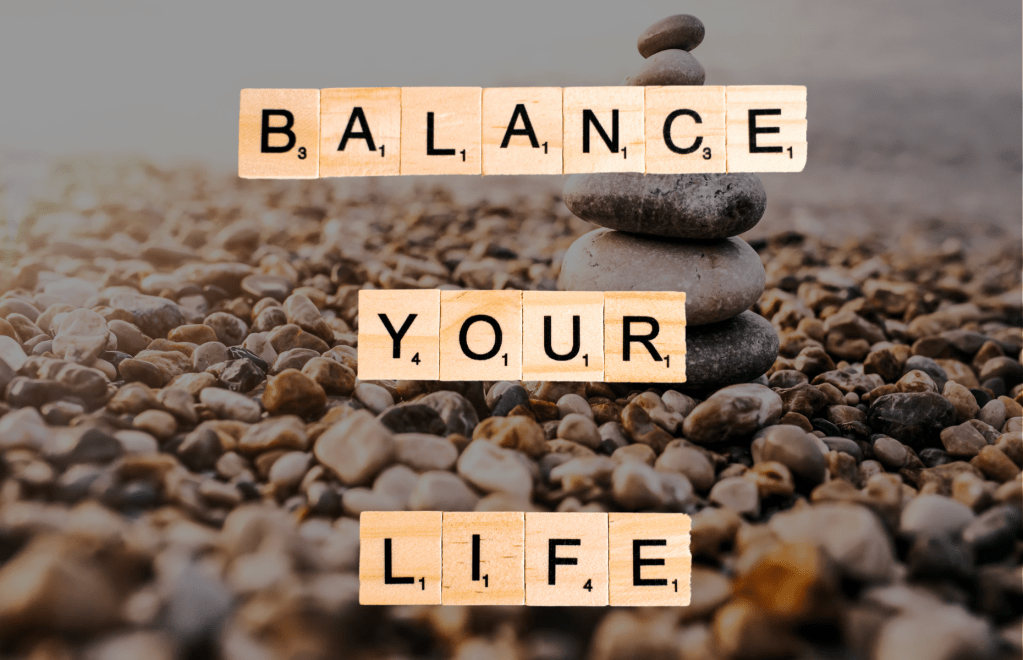
Balanced living is a long-term, holistic approach to optimizing well-being, productivity, and fulfillment. Unlike quick-fix hacks, balance integrates sustainable habits, intentional decisions, and self-regulation to support a meaningful and productive life. That looks different for everyone.
But by prioritizing balance, setting clear goals, and grounding yourself in strong beliefs, anyone can create a life that’s steady, fulfilling, and aligned. Sure, you will still have moments of overwhelm, but based on my own experience, you will recognize the signs earlier and take action to prevent yourself from swinging between extremes.
So, here’s how to get started designing your balanced life:
- Visioning: See the Bigger Picture
- You can only create what you can see. Vision helps you focus on who you want to become and what you value most. Ask yourself: What kind of life do I want to live? What do I truly value? What impact do I want to make?
- Productivity isn’t just about getting more done, it’s about creating a meaningful life. Having a clear vision keeps you grounded and consistently productive.
- Set Clear, Achievable, Aligned Goals
- Once you have a vision, set goals that move you closer to it. Make them specific, measurable, and realistic. Align them with your values and long-term purpose.
- Structure Your Days Intentionally
- I used to either overload my to-do list or avoid making one altogether. Now, I create realistic daily plans that focus on what matters most.
- Break your goals down into smaller milestones to avoid overwhelm. Organize them in order of importance and urgency and include reminders for regular check-ins. Prioritizing key tasks in this way keeps you organized and accountable without feeling stretched thin.
- Rewire Your Brain with Daily Affirmations
- Neuroscience has proven that we can rewire our brains through consistent practice.
- Use positive affirmations to challenge limiting beliefs. Speak life over yourself daily. For example: “I am the type of person who balance self-care and productivity for a fufilling life”. Over time, these affirmations shift your mindset and behavior.
Final Thoughts: Live with Purpose, Not Perfection
Breaking free from destructive cycles doesn’t require awareness and consistent, intentional action. Start today by reflecting:
- What cycles am I repeating?
- What triggers these behaviors?
- What’s one small step I can take to break the loop?
- You don’t have to wait for the “perfect time” to start.
- You just have to take the first step.
Discover more from Balance with Ade
Subscribe to get the latest posts sent to your email.

regal! 87 2025 Breaking the Cycle: How to Find Your Balance and Live a Life of Purpose superb
LikeLike