Do you sometimes feel like you’re going around in circles?
Like every time you take one step forward, you end up taking two steps backward? I’ve been feeling that way lately.
During my annual reflection for 2024, I realized that while I made significant progress in some areas during the year, I also experienced major setbacks in others. And, as hard as it is to admit, some of those setbacks were my own doing.
Last year, I set some ambitious goals: read 50 books, drop 25kg, publish 50 blog posts, and write one research paper. Coming off a productive 2023, I was riding high on momentum. But in hindsight, I see that I really set myself up for failure. Between coursework, research, business, and life in general, where did I think I’d find the time to do all of that?
Unsurprisingly, I didn’t read a single book, didn’t write a single blog post, and although I lost 10kg, I promptly gained it all back during the holidays (thanks, Christmas!).
The Hard Truth: We Don’t Fail Because of a Lack of Motivation
2024 taught me a hard but valuable lesson: recognizing the right time and season and setting realistic, seasonally-appropriate goals is very important.
Now, don’t get me wrong. I’m great at setting goals. It doesn’t matter what the goal is. Whether business, personal development, or weight loss, I can set goals and even create systems to achieve them. My problem? I struggle with maintaining my wins.
I believe this struggle isn’t unique to me. And it certainly doesn’t stem from a lack of motivation. As I have learned, the real reason I didn’t read the books, didn’t write, and regained all the weight I lost was because I tried to change too many things at once and didn’t create strong systems for integrating the changes into my existing lifestyle.
The Power of Systems
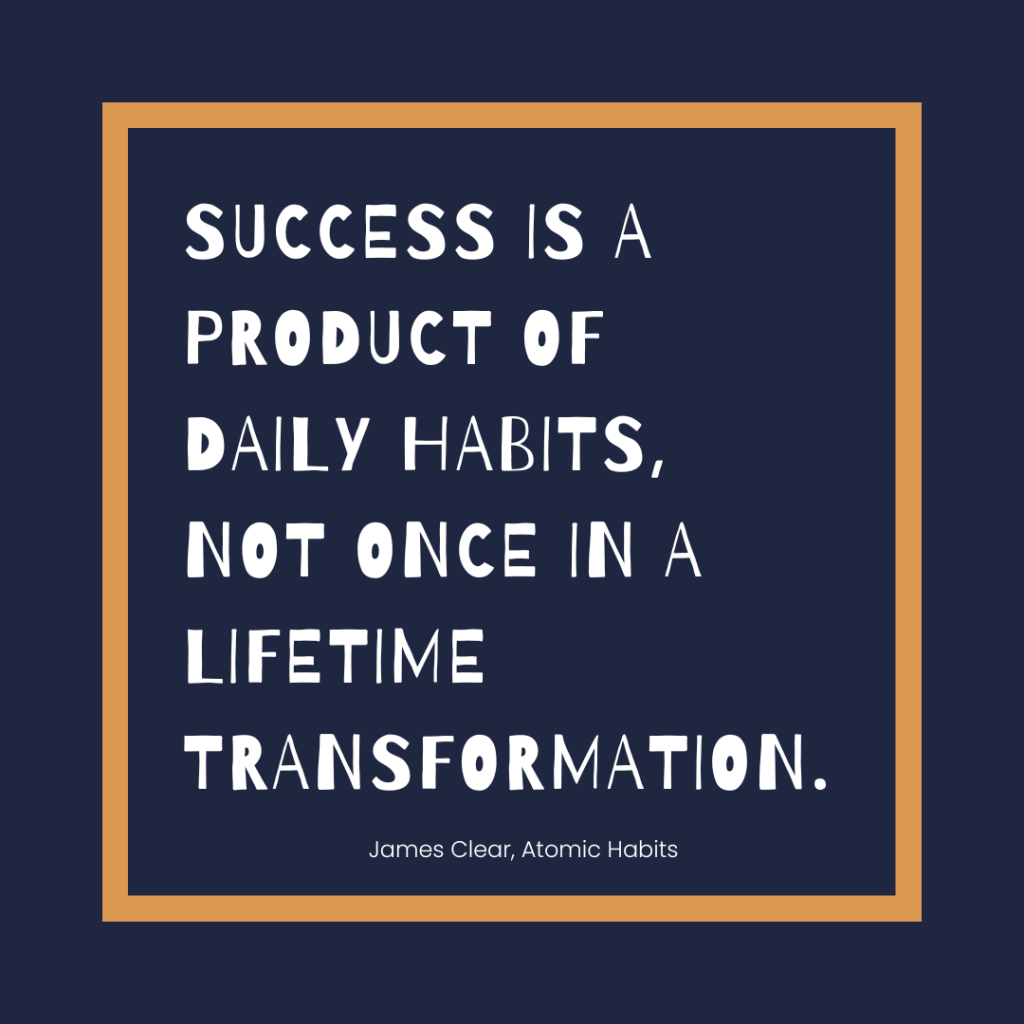
You do not rise to the level of your goals. You fall to the level of your systems.
James Clear, Atomic Habits
When you set a goal, you’re often motivated by the potential results. That’s not necessarily a bad thing, but it becomes a problem when you don’t see beyond the result itself.
Take this example: you decide to start a side hustle. You make the business plan, raise the funds, and do everything needed to launch. But once it’s up and running, you’re at a loss for how to sustain and grow it because your plan never accounted for what happens after the initial success.
Every successful company I can think of has some system that sustains their success. That’s where I always stumble. I plan to win, but I never plan for what happens after winning. My contingencies are always for failures, never for successes. That’s why I’m convinced that motivation isn’t enough; you need a system of habits to make winning sustainable.
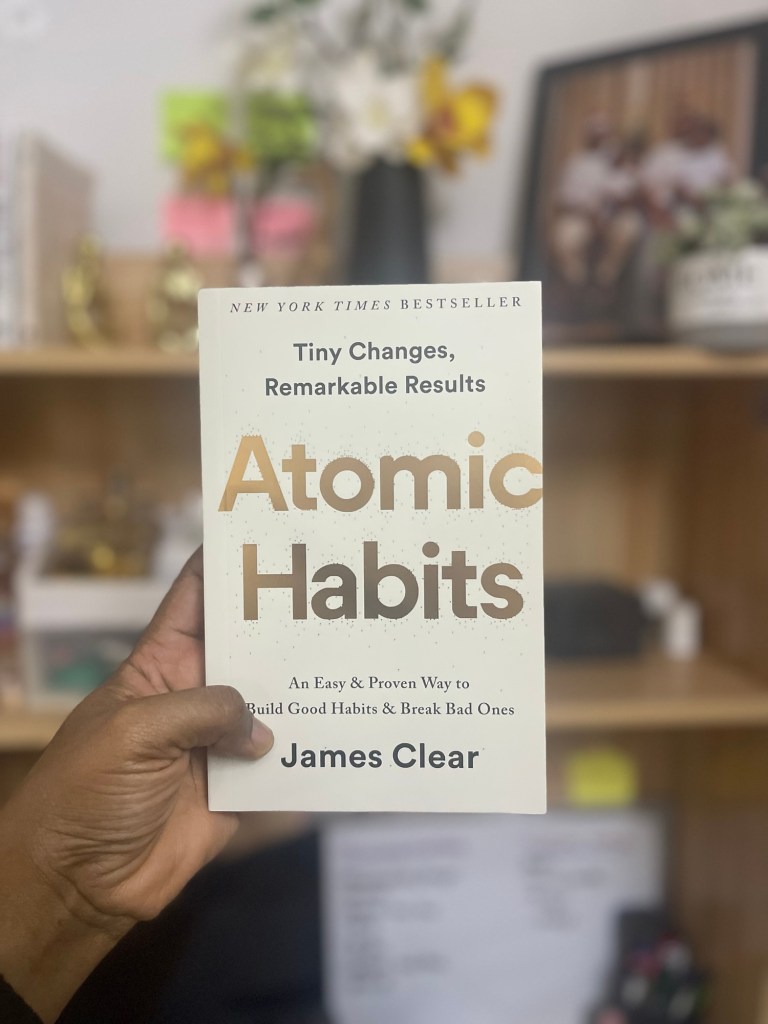
According to James Clear in his book Atomic Habits, a system is a set of procedures and routines that lead to a desired outcome. Systems focus on the process rather than the result. They are the daily habits, rituals, and workflows that propel you toward your goals without relying on fluctuating motivation levels.
Example of Goals vs. Systems:
- A goal may be to drop 20kg. A system is committing to workout three times a week and meal prep every Saturday.
- A goal may be to write a book. A system is committing to write 500 words every morning.
Goals, no matter how inspiring, are not enough. They provide direction but don’t guide us on how to get there. What happens when the initial burst of motivation wears off? What happens when life gets busy or things don’t go as planned? As James Clear puts it, you do not rise to the level of your goals. You fall to the level of your systems.
Why Systems Matter More Than Goals
While goals give you direction, systems provide the structure to make consistent progress. Goals may define the destination, but systems create the path to get there. By focusing on the process rather than the outcome, systems help you build momentum and maintain progress even when motivation fluctuates. This makes them more reliable and sustainable for long-term success. Systems provides:
1. Consistency Over Motivation:
Motivation comes and goes, but systems provide structure that enables consistency. When you have a system in place, you don’t rely on your mood or motivation, you simply follow the routine.
2. Focus on Process, Not Outcome:
Goals fixate on what you want to achieve, but systems focus on how you’ll get there. This mindset shift helps you enjoy the journey rather than obsessing over the end result.
3. Identity-Based Habits:
Systems help you develop habits based on who you are becoming. Instead of saying, “I want to lose weight,” you start to say, “I’m the kind of person who eats healthy and exercises regularly.” The system then supports this identity shift by incorporating exercise and healthy eating into your lifestyle.
But how do you go from where you are now to where you want to be?
James Clear introduces the Four Laws of Behavior Change to help you build systems that stick. These laws are designed to make good habits easier to form and bad habits harder to maintain.
The Four Laws of Behavior Change: Building Effective Systems
Creating and maintaining good habits requires designing systems and an environment that makes performing them easy, enjoyable, and rewarding. Here’s how you can do that using four key principles of behavior change:
1. Make It Obvious (Cues Matter)
What It Means: Your environment plays a huge role in habit formation. Creating cues to initiate the process of a new habit is a great way to make the habit stick. These cues are normal stimuli in your environment that prompt you to take conscious or subconscious actions. The more obvious the cue, the easier it is to follow through.
How to Implement:
- Use visual reminders: Place items related to your habit in plain sight. For example, if you are trying to eat healthier, keep healthy snacks in a visible position.
- Apply habit stacking: Attach a new habit to an existing routine (e.g., “After brushing my teeth, I will go for a morning walk”).
- Set clear intentions: Plan exactly when and where you will complete the habit (e.g., “I will walk at 6:30 AM around my block for 20 minutes”).
2. Make It Attractive (Increase Motivation)
What It Means: The more appealing a habit is, the more likely you are to stick with it. By pairing it with something enjoyable, you make it easier to follow through.
How to Implement:
- Temptation bundling: This means linking the new habit with something you already enjoy (e.g., only watch Netflix while on the treadmill).
- Surround yourself with the right people: Being around those who practice the habits you want to adopt also increases your chances of success. (E.g join a gym or fitness class)
3. Make It Easy (Reduce Friction)
What It Means: The harder a habit is to do, the less likely you are to stick with it. By making it effortless, you increase consistency.
How to Implement:
- Start small: Reduce habits to their simplest form. If you are trying to start a running habit, instead of trying to run 5 miles, start with walking 20 minutes everyday.
- Optimize your environment: Make good habits convenient by removing obstacles (e.g., keep your workout shoes by your bed to remind yourself to walk everyday).
4. Make It Satisfying (Reinforce Habits)
What It Means: Immediate rewards help reinforce habits, making them more likely to stick.
How to Implement:
- Track your progress: Use a habit tracker or checklist for a visual boost.Reward yourself: Celebrate small wins (e.g., enjoy a cup of tea after completing a habit).
- Follow the “Never Miss Twice” rule: If you skip a habit once, commit to getting back on track the next day.
By designing your environment and reinforcing positive behaviors, you can make habits automatic and sustainable. The key is setting goals and building systems that make progress inevitable.
Applying Habit Stacking: My Personal Experience
One of the most transformative concepts from Atomic Habits was habit stacking – attaching a new habit to an already established one. This approach has been a game-changer in helping me build three critical habits this year: using todo lists consistently, morning exercise and reading before bed.
I already had some daily routines in place:
Morning Routine (Before)
- Wake up, Meditate, Brush my teeth, face routine, Shower and get ready for the day
Bedtime Routine (Before)
- Shower, Brush my teeth, face routine, Prayer, Sleep
By stacking my todo list, workout and reading goals onto these existing routines, I made the new habits feel natural and automatic.
Morning Routine (After Habit Stacking)
- Wake up, Worship music (cue for morning routine), Brush my teeth, face routine, Put on workout clothes, Make a cup of coffee, Morning meditation and prayer, Make/Review my to-do list, Go exercise, Shower, Get ready for work
Bedtime Routine (After Habit Stacking)
- Check my to-do list, Make notes on work completed, Put on worship music (cue for winding down), Shower, Brush teeth, Face routine, Organize clothes (workout and work) for the next day, Get in bed, Meditate and pray, Read a chapter or two of my book, Sleep
It’s been a couple of weeks since I started doing this and I already feel more productive than I’ve felt in the last six months. It’s a slow process to train my mind and body to this system of organizing my day but every time I successfully complete a routine I feel so proud.
Final Thoughts: Systems Drive Success
James Clear emphasizes that goals are good for setting direction, but systems are best for making progress. By focusing on small, repeatable actions that support your goals, you create a system that makes success sustainable.
Recap – Systems Help You:
- Build momentum through consistency.
- Avoid burnout by keeping habits manageable.
- Maintain progress even when motivation wanes.
If you start making changes right now, I guarantee that you will be a completely different person by the end of 2025! Start here:
- Choose one goal you want to achieve.
- Design a system using the Four Laws of Behavior Change.
- Start small, stay consistent, and let the system drive your success.
Discover more from Balance with Ade
Subscribe to get the latest posts sent to your email.
